 Paul Goyette from Chicago, USA
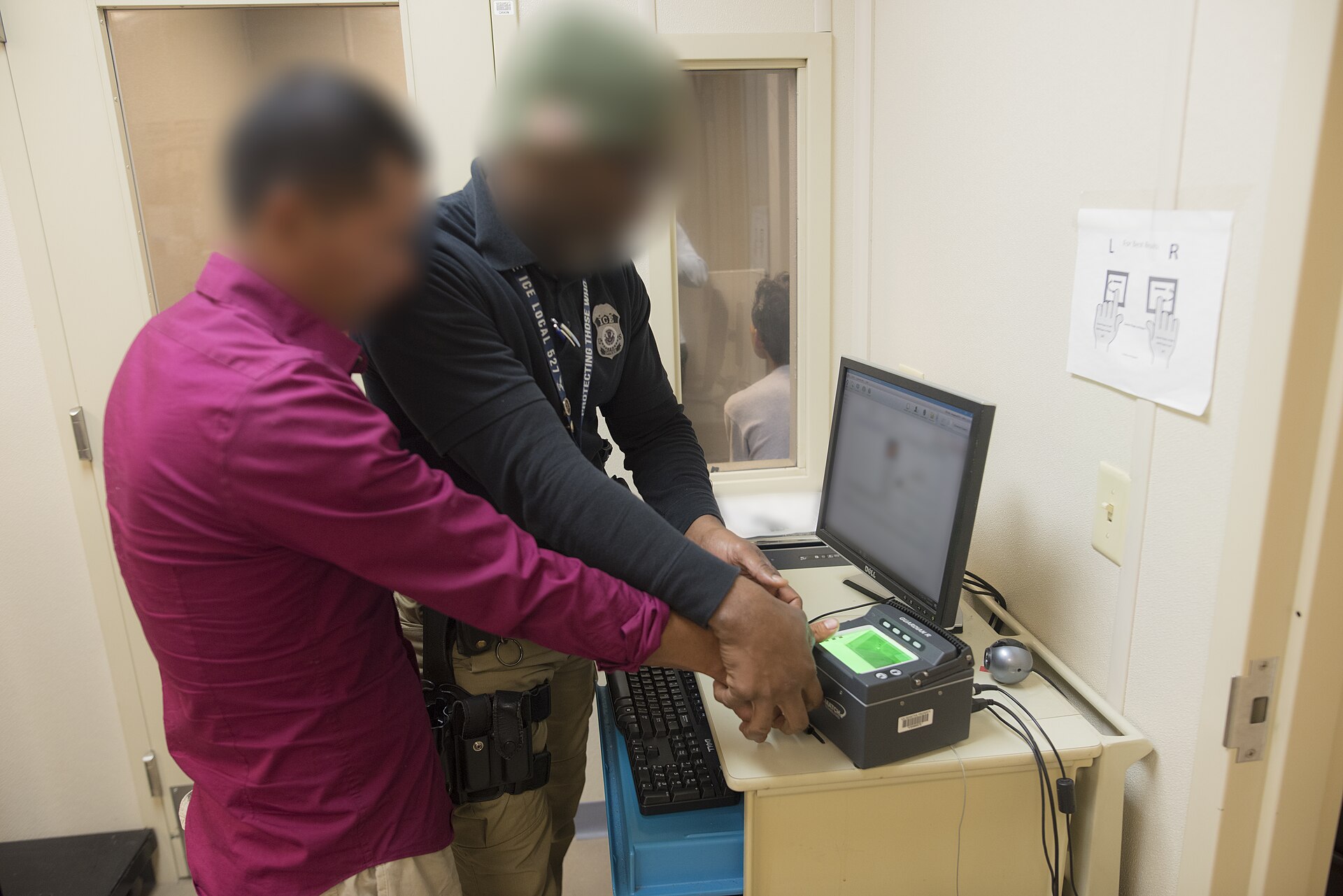
In June and July 2026, U.S. Immigration and Customs Enforcement (ICE) recorded record numbers of immigrant arrests in the country, with approximately 43,000 and 49,000 total detentions, respectively. Concurrently, detentions of immigrants with no criminal record rose by more than 100% between the middle of last year and the middle of this year, reaching around 1,000 detentions of legal immigrants in July. Meanwhile, the number of immigrants with violent criminal records fell to 4% during the same period—the lowest percentage of the Trump administration.
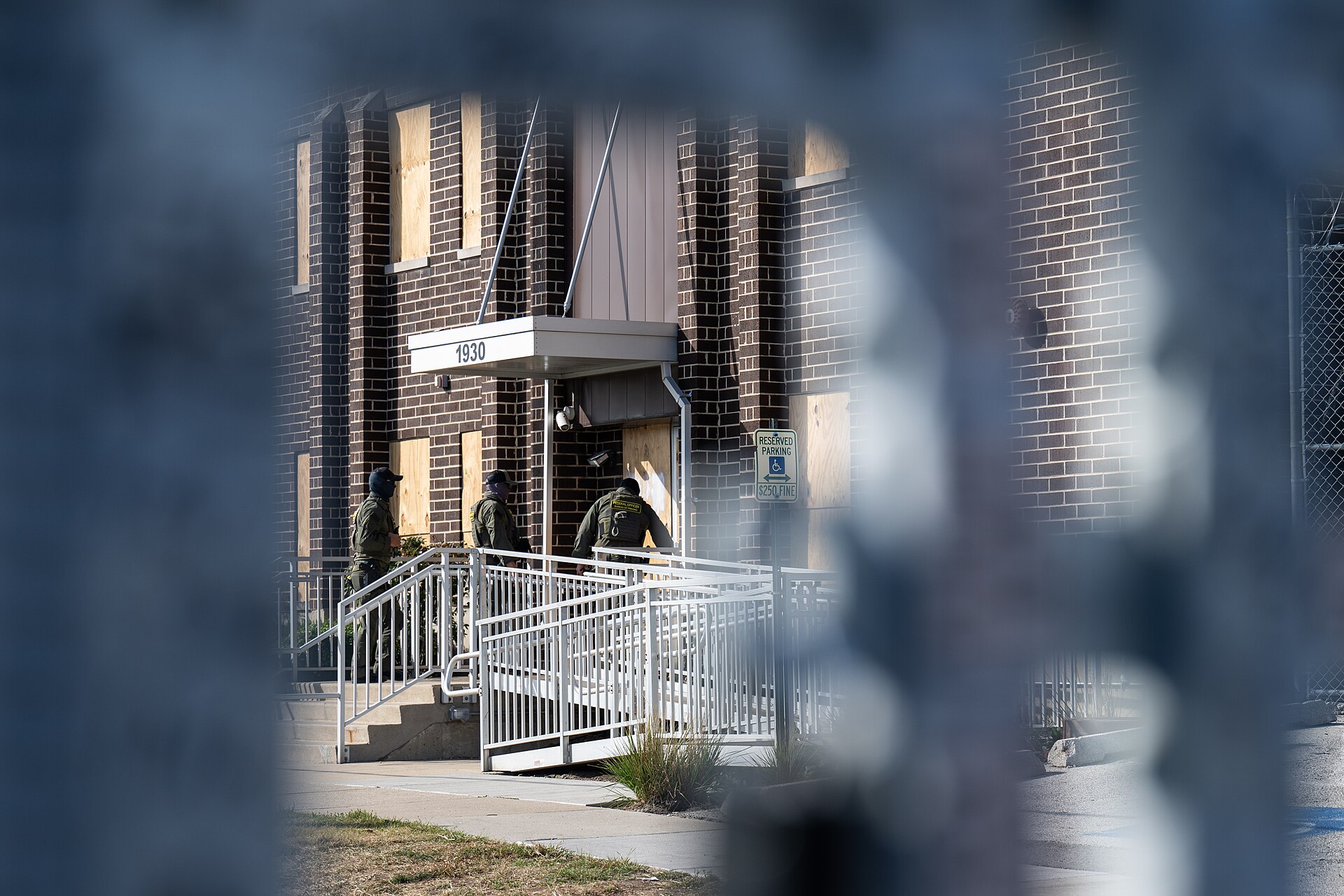
The rise in detention figures highlights a series of measures implemented by ICE aimed at maximizing policies focused on securitization and immigrant deportation. In a report published by The New York Times in July of this year, officials from the U.S. agency stated that the institution had set an operational goal of 2,000 daily detentions. To sustain this target, ICE hired new agents, reaching a total workforce of 29,000 employees in July—an increase of about one-third compared to March. Consequently, the agency has seen a steady rise in the number of people held in detention centers since the beginning of the year, with 66,000 immigrants in custody recorded in June.
Texas and Florida stand out among the U.S. states with the highest number of detentions; ICE carried out approximately 380 and 230 arrests per day in these states, respectively, during August.
Thus, the Trump administration has been implementing more aggressive measures and actions, particularly after the Supreme Court expanded the executive branch's authority to define federal immigration policy in June.
Numerous immigration lawyers have reported that many of their clients received summonses from ICE. A New York Times report cites the case of attorney Cindy Bladon, who reported that a Nicaraguan client—scheduled for an immigration court hearing in 2027—was arrested on June 29 during a routine agency check.
In addition to the arrest of immigrants awaiting trial, The Guardian published a report on August 25 highlighting the deportation of the wife of an active-duty U.S. soldier. Cristy Maroly Villafranca-Trejo, a native of Honduras, was deported despite having no criminal record, even though the U.S. Department of Homeland Security (DHS) maintained that "she was afforded due process". Cristy was deported to her home country on July 11, leaving behind her husband—U.S. Army Sergeant Hedar Leonel Turcios Juarez, also a Honduran national—and the couple's children.
The situation described highlights an
intensification of the securitization and deportation policies pursued by the
Trump administration. Bolstered by the Supreme Court's expansion of executive
authority and an increase in personnel, ICE has set aggressive daily detention
targets that have led to record numbers of incarcerations, with particularly
notable activity in states such as Texas and Florida. This operational approach
prioritizes meeting numerical targets over the profiles of the detainees,
reducing the proportion of individuals with violent criminal histories while
driving a more than 100% increase in arrests of immigrants with no criminal
record—including those with pending cases and those legally integrated into
American families.