 br.freepik.com
1. INTRODUCTION
In recent decades, the Latino electorate has consolidated itself as one of the most dynamic segments of the United States political system, both demographically and electorally. Even so, the simplistic notion of a "Latino vote" with homogeneous characteristics persists in public debate and, at times, in journalistic productions or situational analyses. This idea is widely contested by recent studies that emphasize the internal diversity of this group and its regional, generational, and socioeconomic variations.
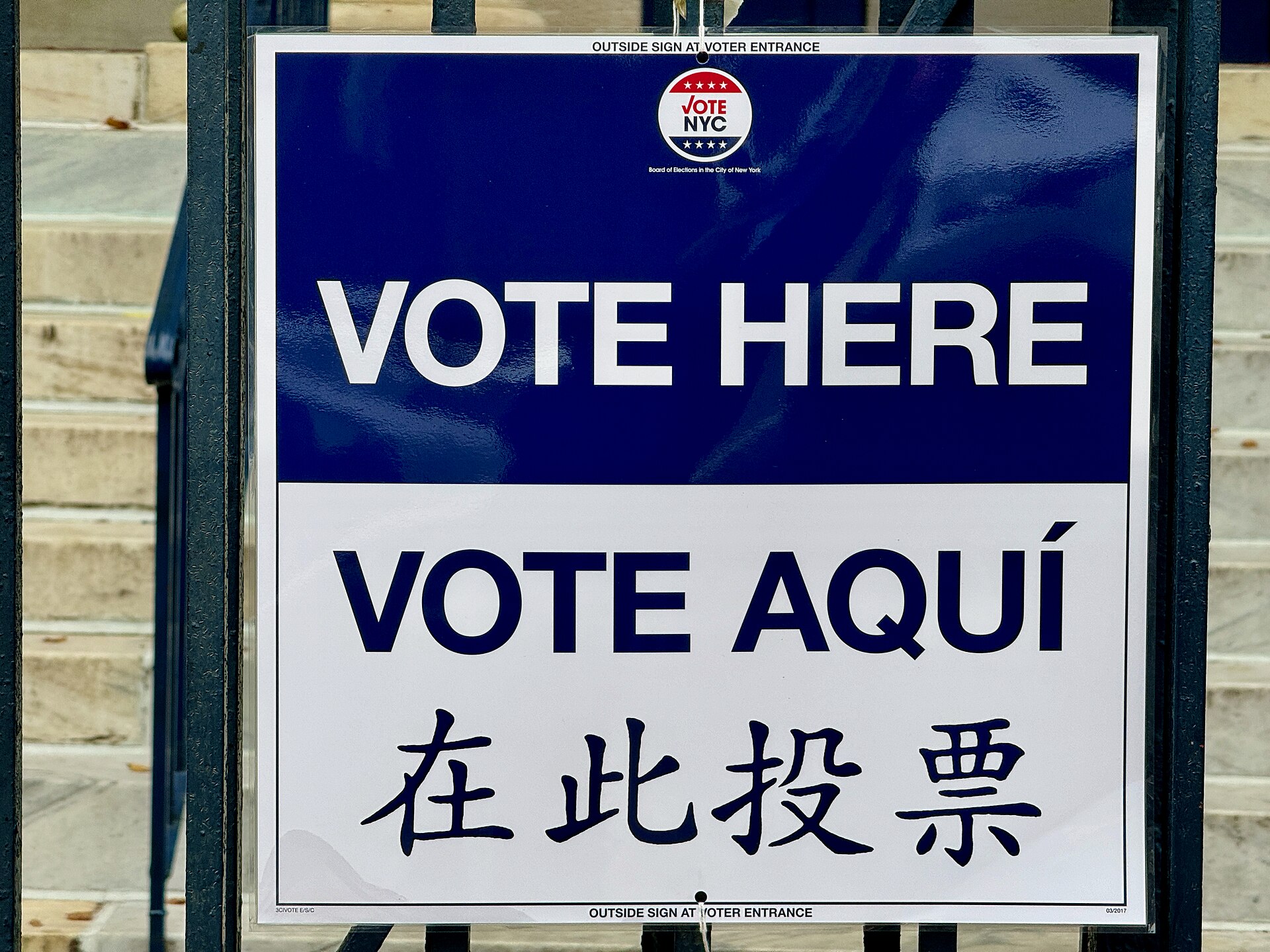
Based on recent election cycles, it is noted that the youth of the Latino population exerts a profound influence on the US electoral landscape, being an important vector behind the high rate of new voters in the country. In 2022, Latinos registered the highest proportion of first-time voters among all racial groups, especially in the under-30 age group, where more than half of voters participated for the first time only in the 2020 or 2022 cycles. This characteristic signals a need for constant mobilization, given that this group is not yet fully familiar with the long-term electoral process.
In this analysis,
we assume that the main force of contemporary reconfiguration of the Latino
electorate lies in the emergence of a new cohort of young voters, whose
political behavior not only differs from previous generations, as studies by
the Pew Research Center have shown, but also responds to specific conjunctural
stimuli, such as immigration policies, political polarization, and recent
socioeconomic transformations. More than quantitative growth, it is argued that
a qualitative change in patterns of political participation and engagement is
underway. This transformation would not imply the consolidation of a single
ideological orientation, but rather the deepening of the internal heterogeneity
of the Latin American electorate, with direct impacts on party strategies and
electoral results, especially for midterm elections.
2. DEMOGRAPHICS AND MOBILIZATION:
THE YOUTH ENGINE
The increased political relevance of the Latino electorate is directly associated with its age structure. This group is significantly younger than the average US electorate, a characteristic that implies a continuous flow of new voters entering the political system.
Recent data indicate that a significant portion of this electorate is concentrated in younger age groups. In states like North Carolina, for example, about 32.1% of Latino voters are under 25 years old and more than 64% are under 41, showing a strong generational bias. In contrast, in the same territory, of non-Hispanic voters, 36% are under 41 years old and 64% are above that age. This trend also unfolds in a context of accelerated population growth, driven by internal migration. Between July 2024 and July 2025, North Carolina gained nearly 146,000 residents and grew by 1.3%, according to the U.S. Census. This age profile reinforces the potential for future expansion of Latino political weight, albeit conditioned by effective levels of participation.
However, it is crucial to distinguish between eligibility and electoral participation. Although approximately 1 million Latinos become eligible to vote each year, either by reaching the age of majority or through naturalization processes, these young voters have previously shown a tendency toward lower turnout rates. Despite the growth in registration initiatives, Latino electoral participation in North Carolina remains a critical challenge, showing rates significantly below the state average. This disparity is even more pronounced among young Latinos, who registered less than 2% participation in the 2024 municipal elections, highlighting a scenario where barriers to information, mobility, and distrust prevent the volume of registrations from converting into real votes. Consequently, electoral dominance remains concentrated in older generations, resulting in an involuntary transfer of decision-making power from Millennials and Generation Z to older voters due to low voter turnout. Thus, the political impact of this growth depends directly on the mobilization capacity of both parties, since the youth of the Latino electorate presents a high level of party disaffiliation.
In this context, a gradual trend of increased political engagement among young Latinos is observed, driven by structural and conjunctural factors. Among the former, increasing levels of schooling and greater insertion in political information networks stand out. Among the latter, events and policies perceived as directly relevant to their communities stand out.
It is important to emphasize that the Latino electorate does not constitute a homogeneous bloc. Studies by the Brookings Institution point to the existence of significant internal cleavages. Based on voting patterns in the 2022 elections, politically, young Latinos showed a predominantly progressive inclination, with overwhelming support for issues such as federal access to abortion, legal status for DACA beneficiaries, investments in clean energy, and increased taxation on large corporations. This ideological alignment was reflected in the majority support for Democrats in the midterm elections of that year, although the relationship with the party is not absolute. There is considerable skepticism, evidenced by the fact that more than a third of these young people stated, at that time, that they felt the Democrats did not care about their community, while an identical proportion believed that the Republican Party demonstrated genuine concern for Latinos.
A critical aspect of this electorate is the marked gender disparity among those under 30. While Latina women overwhelmingly support Democrats, Latino men show a significantly higher propensity to vote for Republican candidates, making the female vote the main pillar supporting the Democratic advantage in this segment. Furthermore, the informational behavior of this group, still based on the patterns of the 2022 electoral cycle, was characterized by the intensive use of social media, making them especially vulnerable to misinformation. This phenomenon was reflected in greater distrust regarding the integrity of the elections, with levels of concern about electoral fraud higher than those observed among older Latinos. With this information and, based on the current perspectives given the immigration policies of the current Trump administration, the political future of this subgroup is likely to remain and intensify as an opportunity for Democrats, but this depends on overcoming structural challenges in communication and engagement.
Thus, the current
movement of this young electorate is not the replacement of one uniform pattern
with another, but the intensification of the internal heterogeneity of the
Latino electorate, with the emergence of a new cohort whose participation can
redefine political priorities and voting patterns.
3. CASE STUDY: LOCAL MOBILIZATION
AND EMERGING SIGNALS (MECKLENBURG, NORTH CAROLINA)
The structural trends discussed earlier become more concrete when analyzed in specific local contexts. In this sense, case studies allow us to identify mobilization mechanisms that, while not generalizable, offer relevant clues about emerging dynamics.
Mecklenburg County, located in the Charlotte metropolitan area, is an illustrative example. The region has experienced rapid population growth and demographic diversification, including the expansion of the Latino population. Recent coverage by WFAE indicates an increase in voter turnout among young Latinos, even in a context where this group remains underrepresented in proportional terms, in some cases representing a significantly smaller fraction of the electorate relative to its share of the local population.
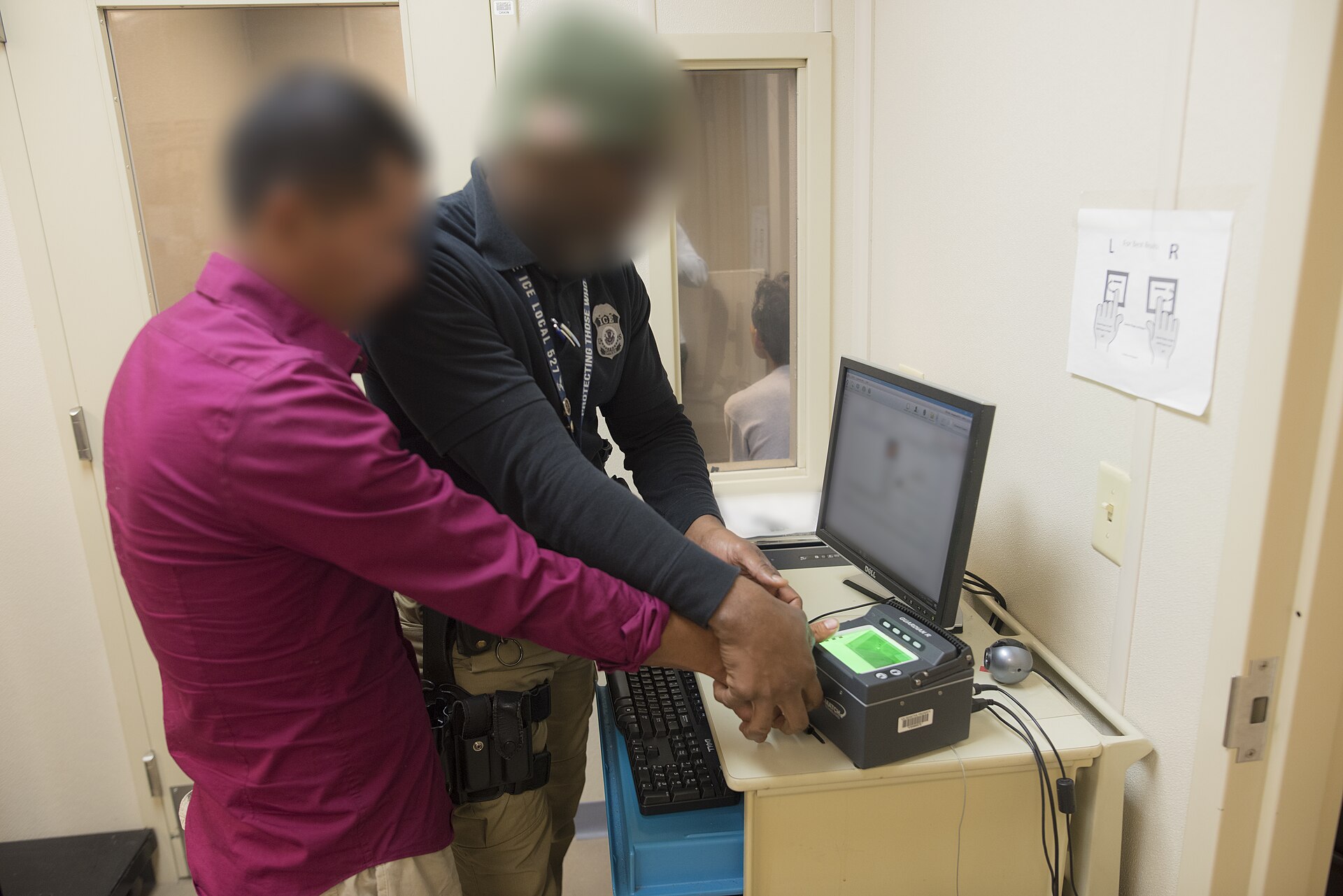
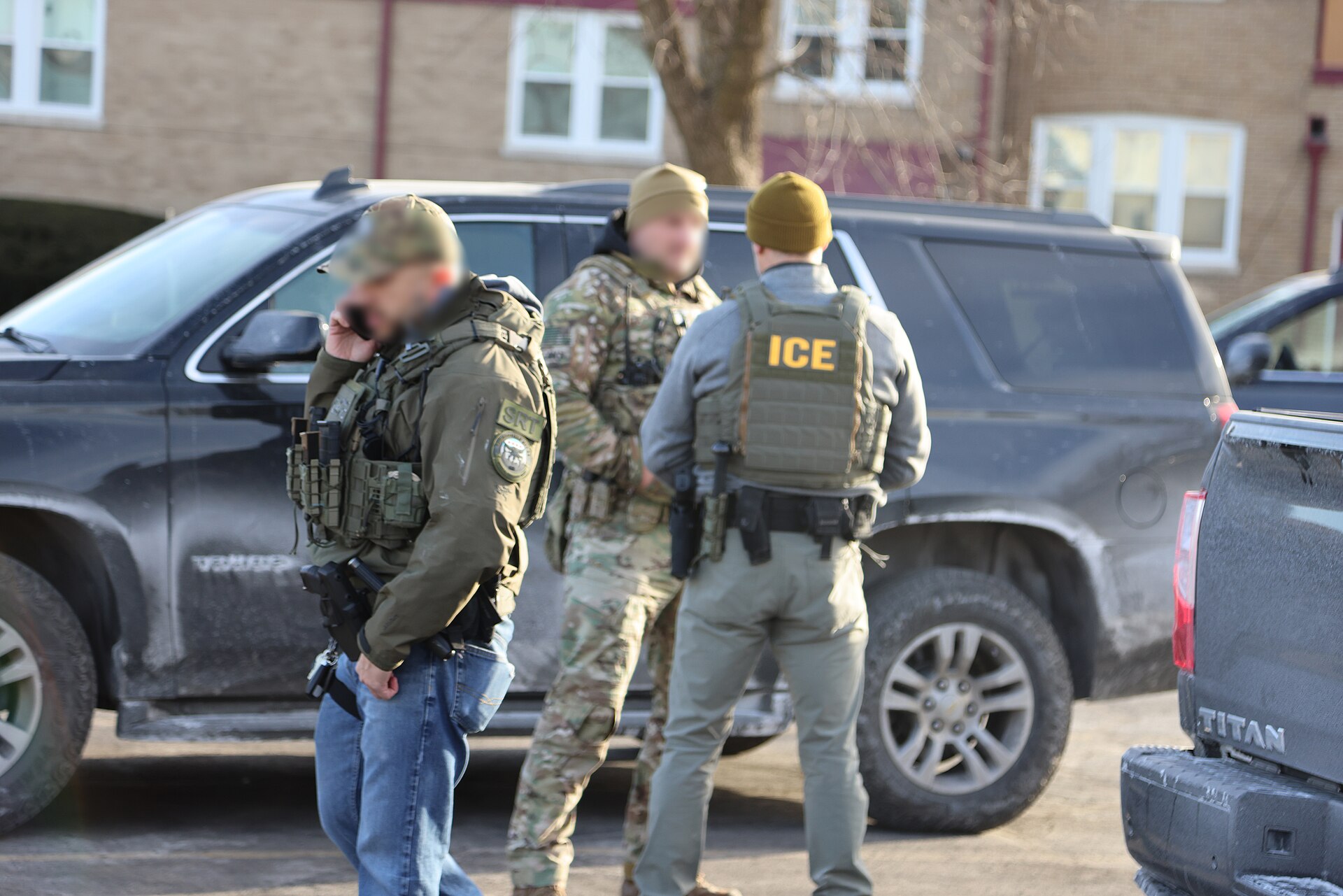
Participation among young Latinos aged 18 to 25 in the 2026 primaries showed significant growth compared to 2022 and 2024, exceeding initial expectations. This increase in engagement is attributed to factors such as the growth of immigration enforcement activities, the presence of more candidates of Latino origin in the race, and the direct mobilization efforts of organized groups, which conduct home visits and community dialogues. However, a significant gender gap persists, with the turnout of young Latina women doubling the rate recorded by men, and the overall Latino participation of 8% still below the county average of 15%.
The coverage indicates that, although youth engagement signals a reaction to the uncertainties affecting the community, participation in the primaries remains lower than the rates in the general elections. Given the fundamental role that the Latino electorate must play in close races, both conservative and progressive campaigns are intensifying outreach through communications in Spanish and listening sessions. The central objective of these efforts is to broaden contact with a population that frequently reports a lack of direct political dialogue, aiming to consolidate the influence of this subgroup on the national stage before the November elections. Although there are indications of prominent participation by young Latina women, the absence of systematic data requires analytical caution, and such observations should be treated as exploratory trends.
Therefore, the
Mecklenburg case should be understood as an illustrative case study, which
highlights how structural (demographics) and conjunctural (public policies,
local context) factors can interact to produce localized increases in electoral
mobilization.
4. STRATEGIC RECONFIGURATION AND
MID-TERM ELECTIONS
The growing relevance of the young Latino electorate has direct implications for the strategy of political parties. Both Democrats and Republicans have sought to adapt their approaches in the face of a more volatile and less predictable electorate than in previous cycles.
Recent data indicate growing dissatisfaction among Latinos regarding the political and socioeconomic context, especially regarding immigration policies and perceptions of social belonging. Research from the PewResearch Center shows that a significant portion of this group negatively assesses current conditions, which may impact voting patterns and political engagement.
In this scenario, Republican strategists are concerned about the potential erosion of recent gains among Latino voters, particularly after advances seen in previous election cycles. On the other hand, the Democratic Party faces the challenge of converting dissatisfaction and sporadic mobilization into consistent voter turnout. The main implication is that the young Latino electorate tends to operate less as an ideologically stable bloc and more as a segment sensitive to specific contexts and policies. This increases electoral uncertainty and reinforces the importance of targeted strategies, including segmented communication, community mobilization, and responses to concrete demands.
Thus, the 2026
midterm elections are likely to serve as a critical test of the parties'
ability to adapt to this new scenario, in which the Latino vote, especially the
young vote, plays a potentially decisive role in competitive states.
5.
THE EMERGENCE OF A NEW COHORT AND THE COURSE OF LATIN POLITICAL INFLUENCE
The analysis developed throughout this work indicates that the Latino electorate in the United States is undergoing a transformation process that goes beyond demographic growth. The emergence of a new generation of young voters introduces dynamics that challenge simplistic interpretations and require more refined analytical approaches.
Far from constituting a homogeneous bloc, the Latino vote is proving to be increasingly heterogeneous, sensitive to specific contexts, and influenced by generational, socioeconomic, and territorial factors. In this context, increased electoral eligibility does not, in itself, guarantee greater political influence, with effective mobilization being the decisive element.
The Mecklenburg case study demonstrates that, under certain conditions, it is possible to observe significant increases in the participation of young Latinos. However, such evidence should be interpreted with caution, as emerging signals and not as consolidated trends.
Finally, the future of political balance in US
elections will depend, to a large extent, on the ability of institutions and
parties to understand and respond to the demands of this new cohort of voters.
More than an expanding group, young Latinos represent a potential vector for
reconfiguring the political system, even if their effects remain, in part,
contingent and contested.
REFERENCES
BROOKINGS INSTITUTION. How younger voters
will impact elections: Young Latino voters will be vital to the outcome of
the election. [S. l.], [2024?]. Available at: https://www.brookings.edu/articles/how-younger-voters-will-impact-elections-young-latino-voters-will-be-vital-to-the-outcome-of-the-2024-election/. Accessed at: Apr. 7, 2026.
NORTH CAROLINA STATE BOARD OF ELECTIONS. Voter
Registration Data. [Raleigh], 2026. Available at: https://www.ncsbe.gov/results-data/voter-registration-data. Accessed at: Apr. 7, 2026.
PEW RESEARCH CENTER. Latino pessimism
spikes under Trump’s second term. [S. l.], 2025. Available at: https://www.axios.com/2025/11/24/pew-latinos-trump-poll-pessimism-economy. Accessed at: Apr. 7, 2026.
RIVERA COTTO, Claudia. NC's Latino
electorate skews younger, but faces a turnout challenge. [S. l.],
2026. Available at: https://enlacelatinonc.org/en/ncs-latino-electorate-skews-younger-but-faces-a-turnout-challenge/. Accessed at: Apr. 7, 2026.
WFAE. Cobertura
sobre participação de eleitores latinos em Mecklenburg. [S. l.], [2024?]. Available
at: https://www.wfae.org/tags/2024-latino-voters. Accessed at: Apr. 7, 2026.