 The White House
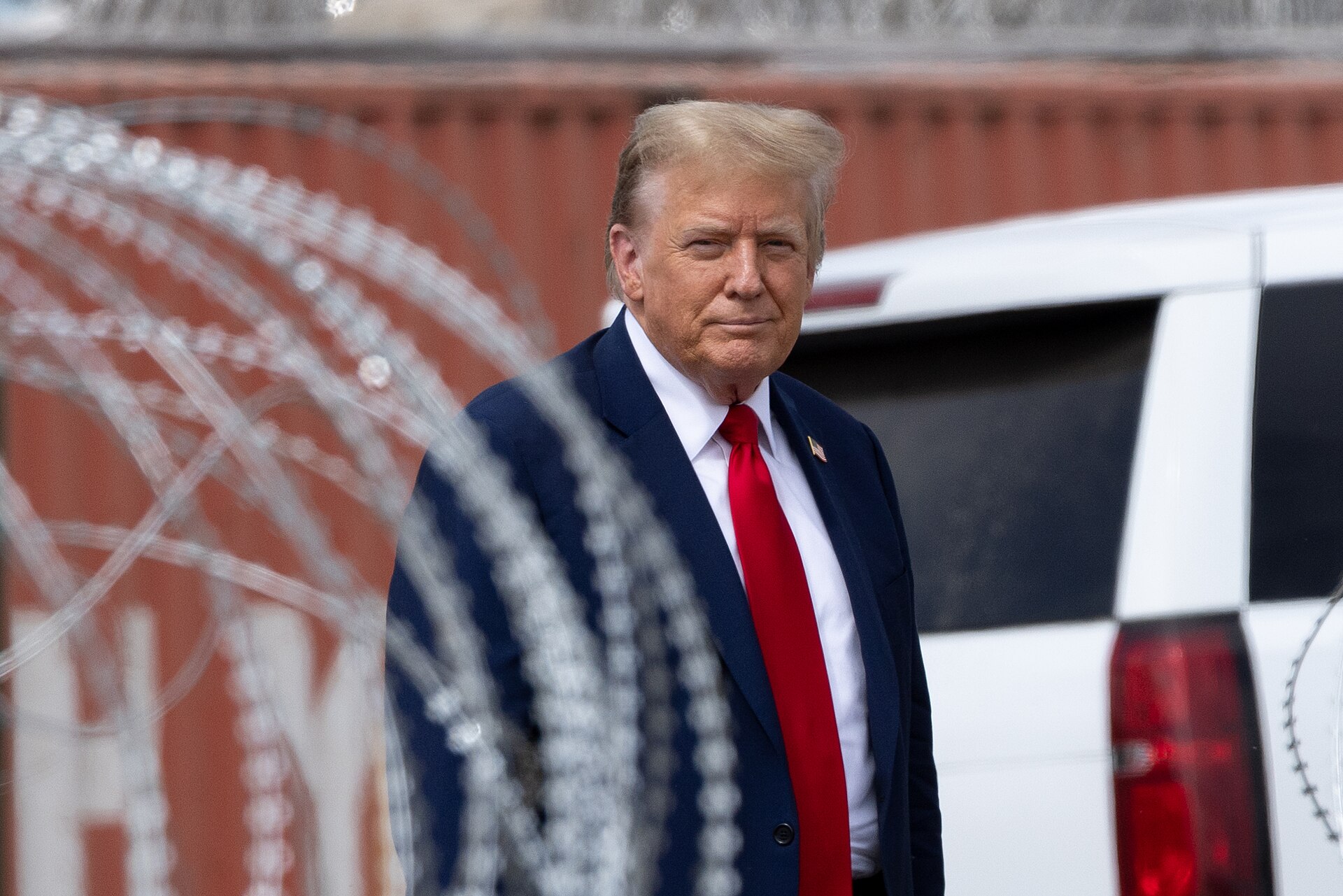
With Donald Trump's return to the presidency in 2025, the narrative of “invasion” and “overburdened borders” was reinvigorated to justify stricter immigration control policies. One example of this is “metering,” an immigration strategy designed to drastically limit the number of asylum seekers who could enter the United States through official ports of entry at the southern border.
Political asylums are legal mechanisms designed to offer protection to individuals under persecution, guaranteeing stability in states that ensure fundamental human rights. Although the United States has partially institutionalized these mechanisms, the American nation has neither signed nor ratified the 1954 Organization of American States (OAS) Convention on Diplomatic Asylum. Consequently, this reception project has become discretionary, varying according to the agenda of the administrations. Currently, guidelines focused on restricting asylum at the border with Mexico prevail, justified by the volume of requests. This scenario has been a pretext for more rigorous immigration control, marked by careful investigations and questioning of decisions made in past governments.
The central point of the debate in the Supreme Court is the interpretation of executive authority in relation to humanitarian obligations. On the one hand, the government argues that the increase in volume without prior notice results in overcrowding, in which demand exceeds installed capacity. Thus, it would give the president the power to suspend the processing of new requests to maintain national security. On the other hand, civil rights advocates argue for the prohibition of states from denying individuals to places where their life or liberty is at risk, regardless of the administrative burden on the immigration system. If the Supreme Court rules in favor of the government, the measure could establish the claim that, due to logistical issues, it is impossible for this population to enter the country, a measure that overrides the individual right to protection.
In addition to triggering an immediate humanitarian crisis in Mexican
border cities, which already face precarious infrastructure to accommodate
those detained by metering, the decision illustrates a weakening of
regional cooperation regimes on migration. The decision on the case is expected
by the end of July, and the outcome could signal the future of the southern
border of the United States and the unfolding of the current state of
International Humanitarian Law.
SOURCES:
ORGANIZAÇÃO
DOS ESTADOS AMERICANOS. A-46: Convenção Interamericana sobre Direitos
Humanos. San José, 1969. Available at:
https://www.oas.org/juridico/portuguese/treaties/A-46.htm. Accessed on: Apr 8, 2026.
REUTERS. US Supreme Court to weigh Trump's power to limit asylum processing. March 24, 2026. Available at: https://www.reuters.com/legal/government/us-supreme-court-weigh-trumps-power-limit-asylum-processing-2026-03-24. Accessed on: Apr 8, 2026.