 usicegov
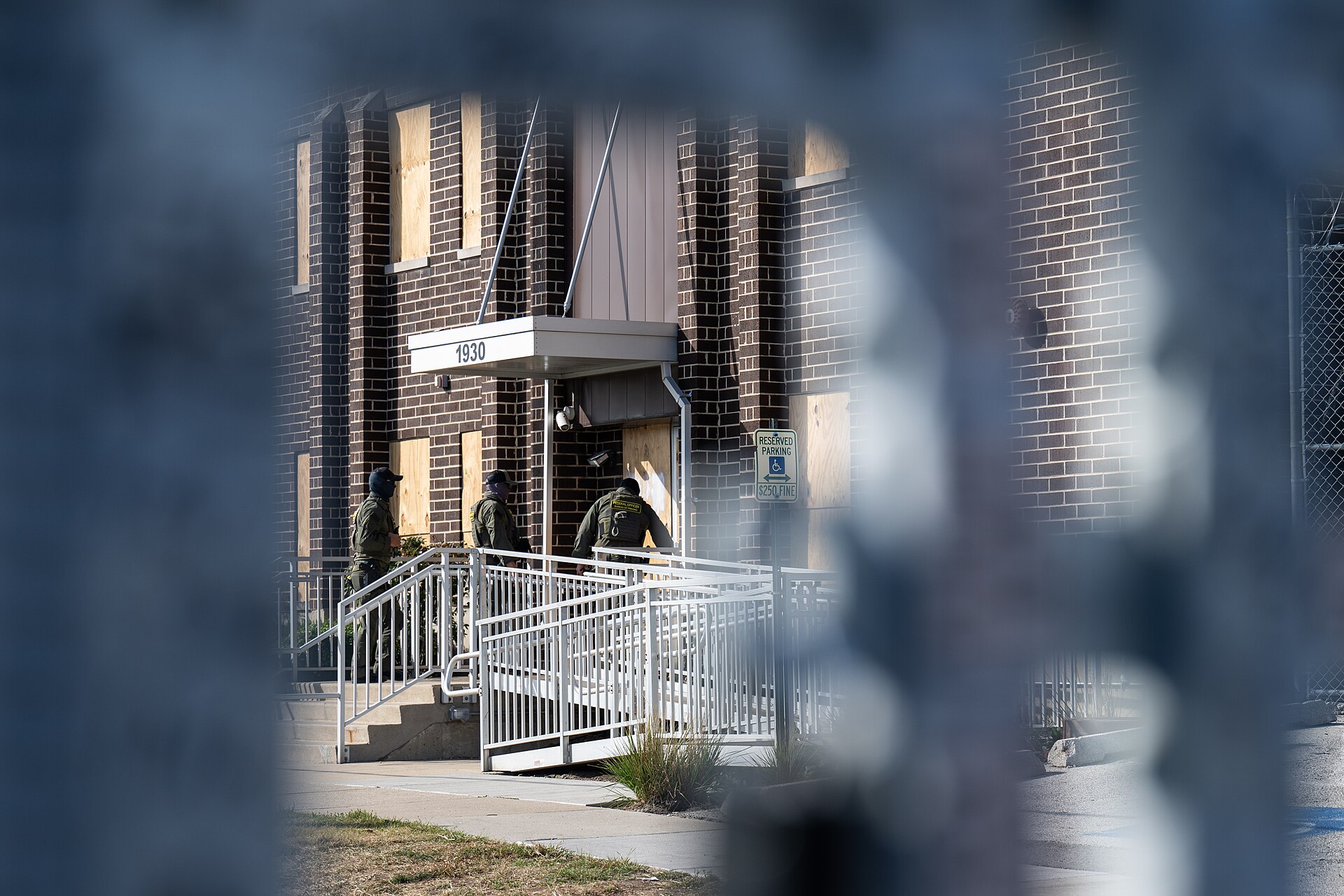
With the tightening of immigration policies implemented by the Donald Trump administration, detention centers run by the U.S. Immigration and Customs Enforcement (ICE) have come to occupy an increasingly central position within the government's immigration enforcement strategy, while complaints related to violence, confinement conditions, and lack of transparency in these facilities have become more frequent. An investigation published by The Washington Post revealed, based on internal records obtained by whistleblowers, a significant increase in the use of force within detention centers, highlighting a reality that often remains distant from the public sphere due to difficulties in accessing and monitoring these units. According to the documents analyzed, between January 2024 and February 2026, at least 1,460 episodes involving the use of physical force, chemical agents, or restraint equipment against detainees were recorded, a number that represents a significant increase compared to the previous period and that accompanies the expansion of detention operations promoted by the government.
The accounts in the investigation show that a large part of these episodes did not occur in situations of serious threat or imminent risk, but in circumstances related to basic demands made by the detainees themselves, such as requests for medical care, access to water, adequate food, or recovery of personal belongings. In several cases, individuals who insisted on requesting medical assistance or reporting the conditions of the centers ended up being subjected to immobilization, use of pepper spray, or other mechanisms of physical restraint. The documents also describe situations in which detainees were dragged, pressed against walls, or held under disproportionate physical force, revealing a pattern that goes beyond isolated cases and suggests a recurring use of violence as an instrument of internal administration of these spaces. In parallel, other recent reports from detention centers reinforce the seriousness of this scenario. Investigations conducted by the Associated Press point to an alarming increase in suicides in ICE custody since the beginning of Trump's second term, with experts linking these deaths to failures in psychological support, delays in medical care, prolonged isolation, and institutional neglect. In several cases, family members reported difficulties in obtaining information about the detainees' situation, while complaints indicate that people with evident signs of mental distress remained without adequate assistance for long periods.
In this context, one of the most worrying aspects involves the actions of the bodies responsible for overseeing these units. Although formal supervisory mechanisms exist, many complaints suggest that the monitoring systems have proven insufficient to prevent abuses or hold those involved accountable. The investigation itself points out that many episodes of violence are described vaguely or incompletely in internal reports, making it difficult to identify the actual circumstances in which they occurred. In addition, human rights organizations and immigrant advocacy groups denounce that the reduction in institutional transparency and limitations on access to the centers hinder independent investigations, creating an environment where violations can remain hidden for long periods.
The situation becomes even more delicate when considering the growing role of private companies in the administration of many of these facilities. As a significant portion of the centers operate under outsourced contracts, accountability for abuses often becomes more complex, since complaints can move between different administrative levels without concrete responses. In some recent cases, state authorities and lawmakers have reported difficulties in conducting thorough inspections or accessing certain areas of the facilities, while representatives of the Department of Homeland Security continue to deny some of the accusations made by lawyers, family members, and civil organizations.
The impacts of this scenario go beyond the immediate dimension of physical violence; the increase in reports of mistreatment, coupled with the legal insecurity faced by detainees and the difficulty of effective oversight, contributes to the creation of an environment marked by fear, psychological instability, and the expansion of vulnerabilities already faced by the migrant population. In addition, the recurrence of these episodes tends to deepen questions about the legitimacy of the mass detention policies adopted by the government, especially in light of allegations that many of the individuals subjected to these conditions have no history of violent crimes nor do they represent any significant threat to public safety.
Given this, a possible increase in legal disputes, pressure from human
rights organizations, and demands for independent investigations into the
functioning of detention centers are expected. However, if the current model of
expanding detentions is maintained without more rigorous mechanisms for
oversight and accountability, the tendency is for allegations of violence,
negligence, and human rights violations to continue accumulating, amplifying
not only the impacts on the directly affected migrant population, but also the
questions surrounding the very conduct of US immigration policy and its
institutional limits.